
Downsizing for a move is easier when you tackle one room at a time instead of trying to sort an entire home in a weekend. Start with the layout and storage in the new home, then work through belongings in manageable sessions. A clear plan helps you keep what fits your next chapter, decide what to pass along, and handle important items carefully. These steps can make a smaller home feel like a thoughtful fresh start.
Plan Before You Sort
Get a floor plan or measure the new home before deciding what to bring. Note closet space, kitchen storage, room dimensions, and any furniture that will already be there. Measure larger pieces such as beds, sofas, and dining tables, including doorways and hallways on moving day. A simple room-by-room list of what the new home needs will give each sorting decision a practical purpose.
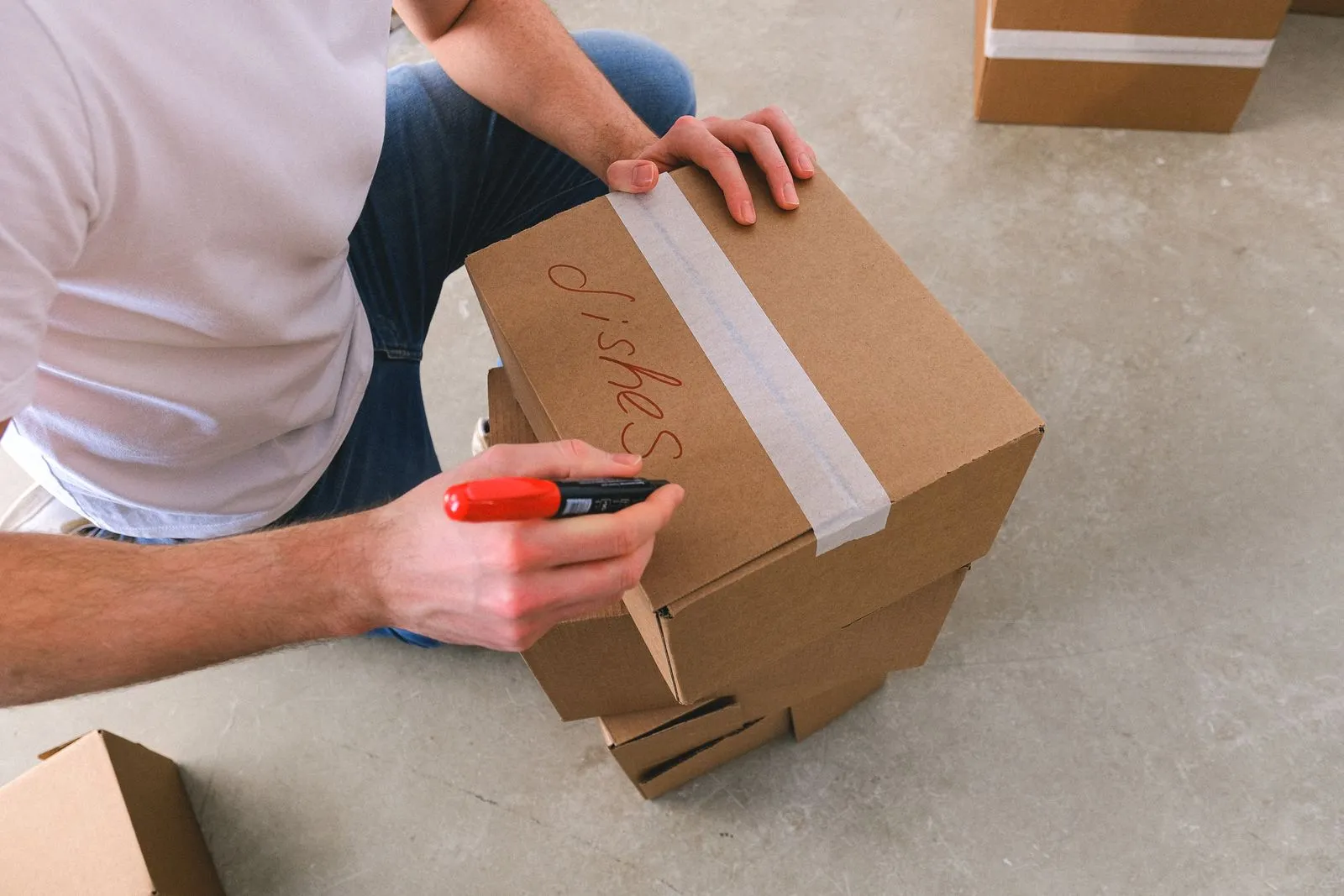
Set a pace that works for the person moving. Choose regular, shorter sessions and begin early enough to avoid last-minute pressure. Keep boxes, bags, labels, and a notebook nearby. Label destinations clearly: new home, family or friends, donation, sale, recycle, and discard. If family members are helping, agree on who makes decisions and ask before removing anything.
Start With Easier Rooms
Begin in a room with fewer personal or daily-use items, such as a hallway closet, linen closet, or guest room. Sort one shelf, drawer, or cabinet at a time. Group similar items together, check what is useful and in good condition, and compare the amount you own with the storage available in the new home. Early progress can help build confidence for rooms with more memories attached.
In the bathroom and laundry area, check expiration dates and keep only products that are safe, useful, and likely to be used. Don’t move open cleaning supplies, medications, or toiletries automatically; make a plan for safe disposal when needed. In the linen closet, choose a practical number of towels and bedding sets for the new home, and set aside extras to donate if they are clean and in usable condition.
Sort Living Spaces and Bedrooms
In bedrooms and living areas, begin with furniture and larger belongings because they take up the most space. Keep pieces that fit the new layout and support daily routines. Then sort clothing, books, décor, and personal collections by category. Ask: Does this fit? Is it used or enjoyed? Is there room for it? Would a photograph preserve the memory without keeping the item? Take a break when decisions feel tiring.
Treat sentimental belongings with care rather than setting an unrealistic deadline to discard them. Invite the person moving to choose the items they most want nearby, then consider sharing meaningful pieces with family or friends. For photographs, letters, and keepsakes, gather them in one place and avoid mixing them with donation boxes. Label containers with their contents so important items remain easy to find.
Finish in the Kitchen
Kitchen cupboards often hold duplicates and items used only for special occasions. Keep everyday dishes, cookware, and utensils that suit the person’s routines and the new kitchen’s storage. Check the dimensions of appliances before moving them, and confirm that the new home has space and suitable connections. Set aside unopened, in-date food for an appropriate local donation program if it accepts those items.
Before moving day, do a final walk-through with the floor plan and your labeled destination list. Keep medications, identification, financial records, keys, glasses, chargers, and a few days of essentials in a clearly marked bag that stays with the person moving. Bright Path Moves can help San Francisco seniors organize a move and work through belongings at a manageable pace.
A room-by-room approach turns downsizing into a series of manageable choices. Start with the new home’s needs, protect meaningful belongings, and leave enough time to handle donations and disposal responsibly. Adjust the pace to the person moving, and ask for help when the sorting becomes difficult. For support planning a senior move in San Francisco, contact Bright Path Moves.